

Detecting cancer earlier through next-generation molecular diagnostics
Kiluma Biosciences is advancing a liquid biopsy diagnostics platform that combines epigenetic biomarkers, cell-free DNA, AI-powered algorithms, and multi-omic science to detect pancreatic cancer and other high-burden cancers earlier.
Multi-omic
Diagnostic platform
cfDNA
Liquid biopsy core
Methylation
Epigenetic biomarkers
AI-driven
Custom algorithms
Capabilities
A platform built for earlier answers.
Early Detection
Developing technologies designed to identify disease earlier — when intervention opportunities are greatest.
Precision Diagnostics
Advancing molecular diagnostics that improve clinical decision-making across the care continuum.
Biomarker Discovery
Identifying biological signals that provide deeper insights into disease activity and progression.
Translational Science
Bridging scientific discovery and real-world clinical impact through rigorous validation.
Platform
The Kiluma Diagnostics Platform.
Five integrated pillars working in concert — turning biological signals into earlier, more actionable cancer insights.

01
Epigenetic Biomarkers
Methylation-based biological signals associated with disease activity and pancreatic distress.
02
cfDNA Liquid Biopsy
Blood-based molecular insights for earlier, less invasive cancer detection.
03
Oncology Gene Signatures
Cancer-associated molecular signals integrated for diagnostic precision.
04
AI & Custom Algorithms
Advanced computational models interpreting complex multi-omic data.
05
Intercept IQ Integration
Core platform capabilities supporting earlier detection and clinical innovation.
The Urgency of Early Detection
Pancreatic cancer remains one of the deadliest cancers because it is often discovered too late.
Pancreatic cancer is frequently diagnosed after symptoms appear, when the disease has already progressed beyond its earliest and most treatable stages. Earlier identification of high-risk individuals and earlier detection of disease could dramatically improve clinical outcomes and survival.
5-Year Survival Rate
~13%
Pancreatic cancer has one of the lowest survival rates among major cancers.
New Cases Annually
~67,000
Tens of thousands of Americans are diagnosed every year.
Cancer Deaths Annually
~52,000
Pancreatic cancer remains one of the leading causes of cancer-related mortality.
Diagnosed Late
Most patients
Many patients are diagnosed only after symptoms appear and disease progression has already occurred.
Survival by Stage at Diagnosis
Earlier Detection Can Change Outcomes
Patients diagnosed earlier generally have significantly better treatment options and improved survival outcomes.
Localized Disease
Detected before spread — highest survival potential.
Highest Survival
Regional Disease
Spread to nearby tissues or lymph nodes — moderate survival.
Moderate Survival
Metastatic Disease
Distant spread — lowest survival; treatment options limited.
Lowest Survival
Illustrative comparison of relative survival by stage at diagnosis. Actual outcomes vary by cancer type, biology, and clinical context.

Current Reality
Late detection limits options
Today, most pancreatic cancers are found only after disease has already progressed.
Future Vision
Detect risk earlier, intervene sooner
Powered by OncoIntercept™ on the Intercept IQ™ platform.
Why We Built It
Why We Built OncoIntercept™
OncoIntercept™ was designed to support the pursuit of earlier pancreatic cancer detection through advanced molecular diagnostics, multi-omic biomarker analysis, and AI-powered risk assessment.
By leveraging the proprietary Intercept IQ™ platform, Kiluma Biosciences aims to help identify biological signals associated with pancreatic cancer risk before traditional clinical detection methods.
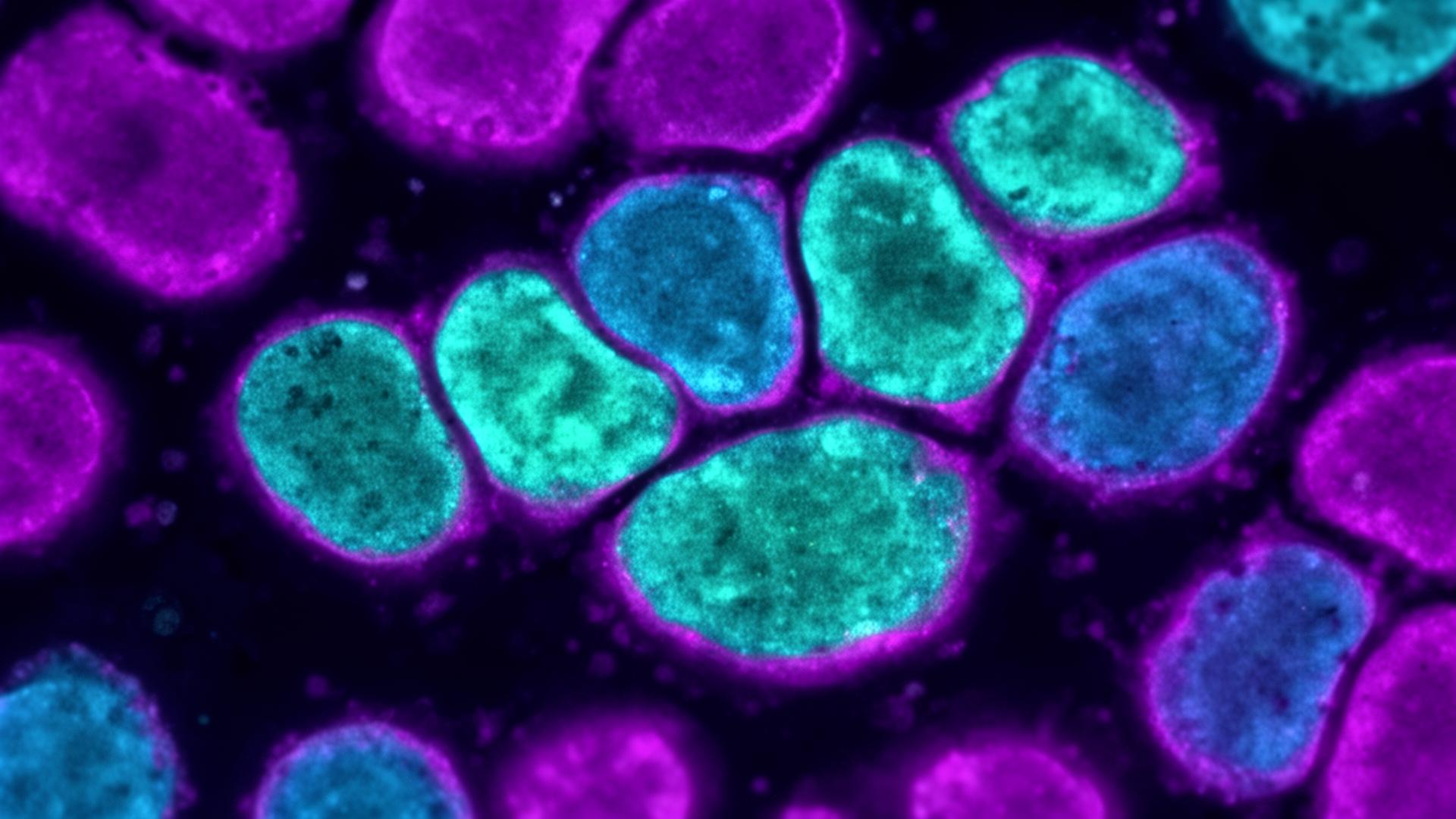
Pancreatic cancer — detected earlier.
Pancreatic cancer remains one of the most difficult cancers to detect early, often progressing silently until treatment options are limited. Kiluma is developing a next-generation pancreatic cancer diagnostic designed to identify earlier molecular signs of disease.
Our approach integrates epigenetic biomarkers, cell-free DNA, pancreatic distress signals, methylated beta cell markers, oncology gene signatures, and AI-powered analysis — creating an earlier diagnostic window for more effective intervention.
Our Approach
A scientific ecosystem, engineered to converge.
Six disciplines converging on a single proprietary platform — Intercept IQ™ — the foundation powering our flagship OncoIntercept™ pancreatic cancer screening assay.
Platform
Intercept IQ™
Proprietary
Molecular Biology
cfDNA Analysis
Multi-Omics
Bioinformatics
Artificial Intelligence
Clinical Translation
Molecular Biology
Deep biological characterization of cancer signal origin and pathway dynamics.
cfDNA Analysis
Blood-based detection of low-abundance circulating tumor signatures.
Multi-Omics
Methylation, genomic, and proteomic data layered for higher resolution.
Bioinformatics
Pipelines that transform raw molecular data into structured insight.
Artificial Intelligence
Custom algorithms interpreting complex multi-omic patterns.
Clinical Translation
Rigorous validation bridging breakthrough science and clinical impact.
Collaborate with Kiluma.
We partner with academic institutions, medical centers, and industry leaders advancing precision oncology. Let's build the future of earlier cancer detection — together.